

Envision waking up in the morning and putting on a slick, light device, knowing exactly how your blood sugar is doing, how you slept and even how active you were last day without having to stick even a single finger or even visit the doctor. To millions of citizens with diabetes this is not some futuristic scenario. The cumbersome days of the glucose meters and log books are long past. Nowadays, the latest wearable technologies provide live feedback on your health condition, so all those complex numbers will be transformed into clear and simple actions.
Such wearables are not mere gadgets, they are more of life lines, which enable one to make better choices and take charge of their diabetes. With the development of these devices, progressing in the future, towards 2025, is one that looks to change how we can live with chronic conditions. Let us take a look at some of the most advanced wearable software transforming diabetes management and its implications on a healthier future of people with the disease.

What Is Wearable Technology?
Wearable technology is defined as an electronic device worn on body. They are sewed into garments, accessories, or are embedded directly into the skin, and they are used to do everything, including monitoring health and fitness statistics to transfiguration communication, or even to provide augmented reality experiences. Among the most popular kinds of wearable tech are:
- Smartwatches (e.g., Apple Watch, Samsung Galaxy Watch)
- Fitness trackers (e.g., Fitbit, Garmin)
- Smart glasses (e.g., Google Glass, Vuzix Blade)
- Wearable cameras (e.g., GoPro)
- Health monitoring devices (e.g., continuous glucose monitors, heart rate monitors)
Healthcare and Medical Advancements
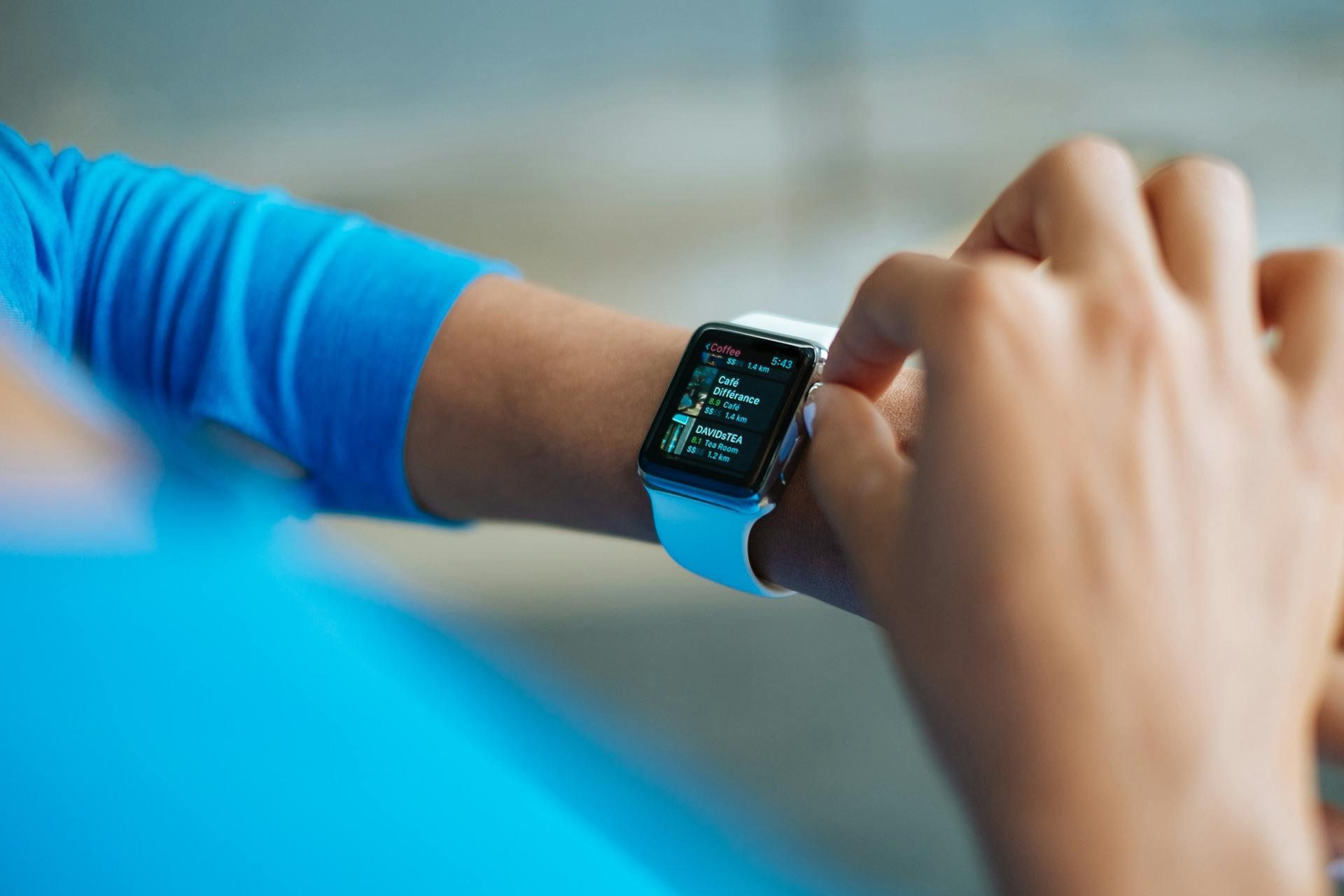
Healthcare is one of the greatest trends in wearable technology. Wearable devices have shifted away from counting steps as the main task and started working on continuous health monitoring, early signs of medical conditions diagnosis, and treating chronic diseases as well. These advances in wearables are critical in the creation of enhanced patient outcomes, more customized care, and real-time data health storage.
Here are four groundbreaking products that showcase how wearable tech is transforming healthcare:
- 1. Apple Watch Series 8
Category: Smartwatch / Health Monitor
Features:
Apple Watch Series 8 is not only a fashionable smartwatch but also a necessity in terms of healthcare. It has optimized sensors to track the heart rate, blood oxygen, and ECG. The range can warn the user of an irregular heartbeat (atrial fibrillation), monitor temperature changes to assistance with fertility tracking and will detect crashes to enhance safety in the Series 8. More than that, it can even trace your sleep patterns to be able to monitor the general health and wellness.
Why It’s Important:
The Apple Watch Series 8 is one of the most outstanding examples of wearable in terms of its combination of fashion with healthcare, features. It is a very useful tool in the early detection and preventative medicine due to its capability of tracking essential health measures in real-time.
2. Freestyle Libre 2 Continuous Glucose Monitor

Category: Health Monitoring / Diabetes Care
Features:
The Freestyle Libre 2 is an ongoing glucose observing gadget (CGM) made by Abbott that is intended to be used by individuals with diabetes. As compared to a typical finger-prick test, the device enables the user to stay in touch with the amount of glucose in his or her body simply by scanning a thin sensor strapped across the back of the arm. The device also instantly informs a person about the level of glucose, and now people can make informed choices regarding food, activity and insulin usage.
Why It’s Important:
It is the revolutionary device which changes the treatment of diabetes, showing data in real time and cutting down the invasive blood testing to the minimum. Its ease of continuous monitoring assists users to have a better control of their blood glucose levels thus minimizing complications that are related to diabetes.
AI and Automation are transforming industries. Learn more about how they’re shaping the future of work by reading AI and Automation: How They Are Shaping the Future of Work.
Want to stay ahead in 2025? Find out the Best Free Apps to Use in 2025.
3. Oura Ring Generation 3

Category: Sleep and Wellness Monitor
Features:
The Oura Ring is a wearable fitness tracking device that is sleek and small, made to monitor sleep bicycles, activities and general health. The Oura Ring has an accelerometer and gyroscope and can also track heart rate variability (HRV), body temperature, respiratory rate, and the number of sleep cycles. It offers smart health metrics to users as well as advice on the steps that they can take to sleep better, exercise more, and recover better.
Why It’s Important:
The Oura Ring comes in handy to people interested in maximizing health using sleep and recovery. Its non-invasive build and fancy health-monitoring abilities make it the ideal wearable by someone who would like to increase his/her overall health and well-being as well as mental health.
4. Withings ScanWatch

Category: Smartwatch / Medical-Grade Health Monitoring
Features:
The Withings ScanWatch is a hybrid watch that meets the ambitions of classic-looking watches but with a top-tier health technology. The model has an in-built ECG (electrocardiogram) which identifies symptoms of atrial fibrillation (AFib) and a pulse oximeter, a blood oxygen level measurement gadget. It has also got activity, heart rate, and sleep tracking features to give a full picture of the health status of the user.
Why It’s Important:
The wearable is unique because of an FDA-cleared ECG feature, and it is among the rare smartwatches that provide health monitoring of medical grade. It is a great application, used by anyone who wants to keep track of his or her heart health on a routine basis and simultaneously monitor overall fitness and health data.
The Future of Wearable Tech: What’s Next?

What comes next is the future of wearable tech and it is very exciting. It is possible to anticipate the next evolution of the integration of AI, battery life, and better incorporation into everyday life.
- AI and Machine Learning: The integration of AI in wearable tech will allow for more personalized experiences, from automatic health monitoring to predictive analysis of health trends.
- Biometric Sensors: The next generation of wearables may incorporate advanced biometric sensors, such as skin temperature monitors, blood oxygen sensors, and even brainwave monitors, for more comprehensive health tracking.
- Invisible Wearables: We may see the development of wearables that are almost invisible to the user, such as contact lenses or implantable devices that provide real-time information directly to the brain.
AI and Automation are transforming industries. Learn more about how they’re shaping the future of work by reading AI and Automation: How They Are Shaping the Future of Work.
Want to stay ahead in 2025? Find out the Best Free Apps to Use in 2025.
The Future of Diabetes Care: Top Wearable Devices for 2025
With wearable technology still developing, the outlook of diabetes management is bright. Equipped with novel gadgets that measure glucose level, monitor vital signs and provide real-time measurements, diabetics can take control of their health as never before. The items, such as the continuous glucose monitors, health-oriented smart watches, and the high-tech fitness watches, are changing the way people treat their condition, so it is much easier to take care of their health on a day-to-day basis.
In the context of the future perspective towards 2025, these wearables will remain at the center of delivering high-quality lives, convenience, and endow users with actionable information, or decisions that can positively guide them towards making improved health choices. As AI, machine learning, and sharing of real-time data is further integrated, the future of diabetes care is eminent, more convenient, personalized, and more life-changing than ever before.