

In the 21 st century, technology is completely transforming how businesses are run, how they communicate with their customers and how they hire employees. Artificial Intelligence (AI) and automation are some of the most disruptive elements that are creating significant changes to the world workforce.
Whether it is enhancing efficiencies in the manufacturing process to improving decision making in business, AI and automation are leading to a new industrial revolution. With the further development of these technologies, their impact on the labor force is becoming more and more obvious, and both its positive and negative consequences are observed.
The Rise of Artificial Intelligence and Automation
Artificial Intelligence (AI) refers to the computer and machine systems that have been programmed to behave in a manner that is similar to human beings and learn by experience and perform tasks that would have been performed by the human beings. Examples of AI technologies are machine learning (where machines learn and get better with data without being told), natural language processing (where computers are taught how to understand human language) and robotics (where AI is applied to physical devices to accomplish tasks).
Automation, however, is the use of technology to do the work without human interference. In the general meaning, automation is not a new concept as it has been in existence over the decades in various industries such as manufacturing whereby manual labor has been substituted by machines. Nevertheless, the recent breakthroughs in the AI field have resulted in the automation of previously unreachable areas, including healthcare, finance, and customer service.
AI and Automation’s Impact on the Workforce
1. Job Displacement: The Fear of AI and Automation Taking Over
The most immediate and popular fear about AI and automation is that it will cause Job Displacement Many reports and studies have cautioned that AI and automation will cause massive job losses, particularly in routine, manual and administrative jobs. As an example, warehouses are already losing jobs due to robotic systems and self-checkout machines that were previously performed by cashiers and stock clerks.
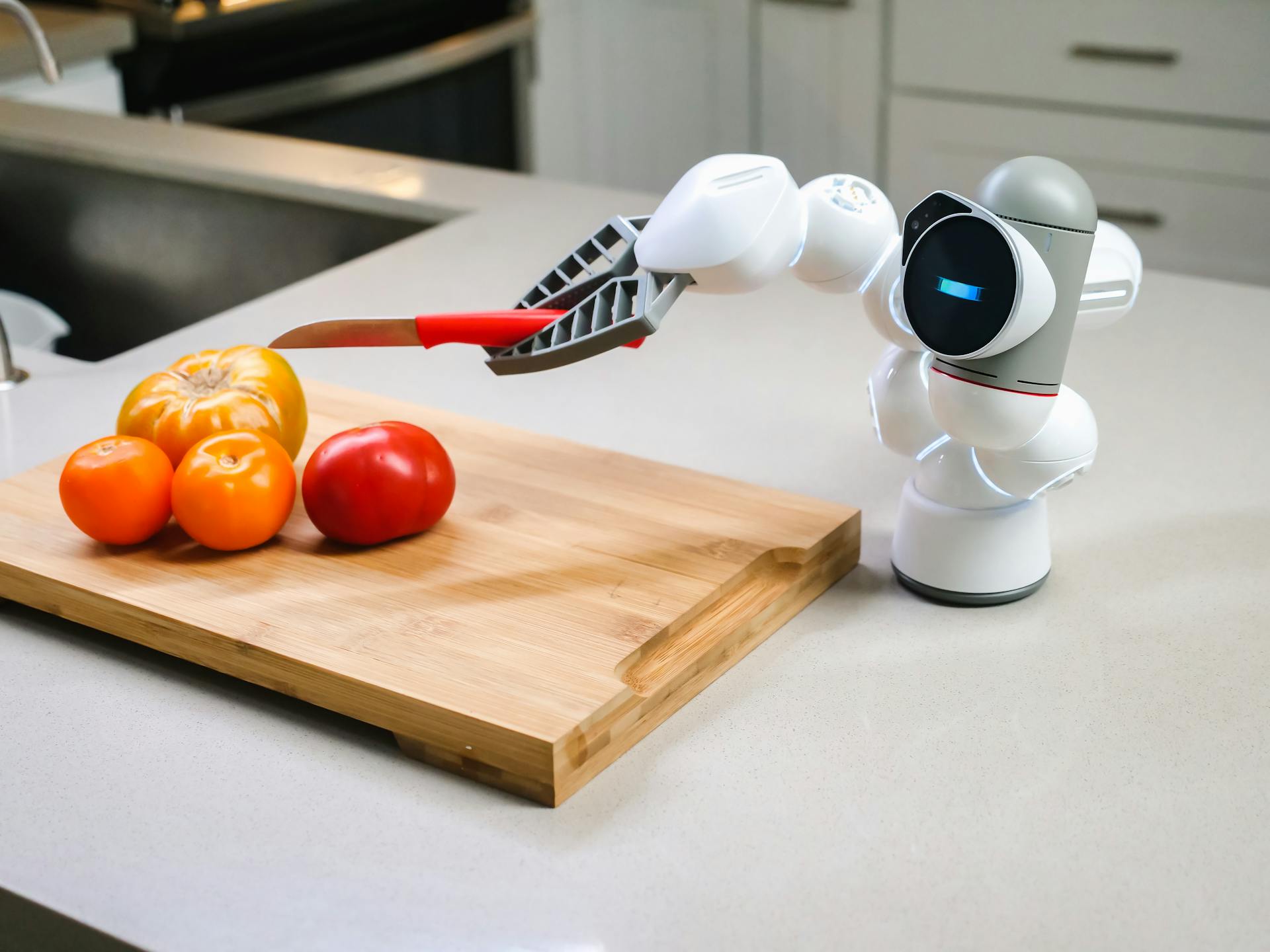
The emerging self-driving automobiles in the transport industry pose a risk to millions of driving occupations, including truck drivers, delivery drivers, and taxi services. A report by McKinsey Global Institute suggests that as many as 800 million workers around the world may be displaced by automation by the year 2030 with the most vulnerable being the low-wage and low-skill workers.
Automation of jobs is not just restricted to manufacturing industry. The AI systems that process data, identify patterns, and make decisions are already being used to accomplish tasks in the fields of finance, legal services, and customer support that could previously only be done by humans. In sectors such as customer service, chatbots and virtual assistants are automating the steps and minimizing the human agent involvement in communicating with the customers.
2. Creating New Jobs: The Emergence of New Roles
Along with the concern of mass displacement of jobs, AI and automation are also generating new jobs. With automation replacing the menial and repetitive jobs, human beings are able to dedicate their energies in more complicated jobs that are creative and strategic and require emotional intelligence, critical thinking, and decision making.
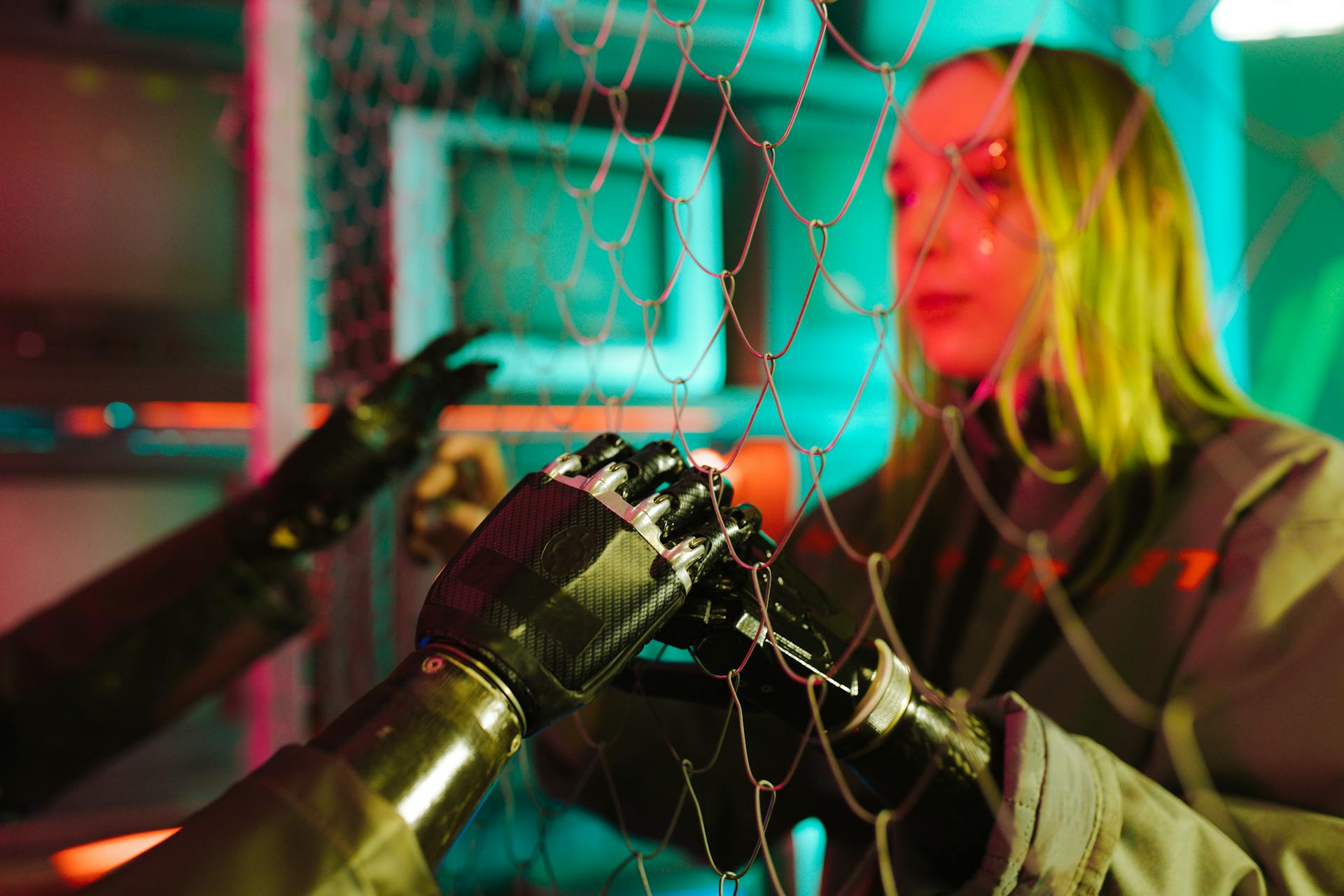
This change is reflected in one sector, which is the technology sector. There has been an explosion in the demand of AI specialists, data scientists and machine learning engineers as companies require specialists to develop, maintain and manage their AI systems. Automation of administrative and operational activities has also contributed to the increase in positions in the sphere of business analysis, AI ethics, and human-computer interaction. These are spheres that would never have been developed in the form as we know it without the emergence of automation.
Besides technology, some of the new opportunities are in other industries such as healthcare and education. As an example, AI tools are currently used by the healthcare workers to analyze the medical records and help with diagnoses, yet the workers are also needed to interpret the data and make the final decisions. In the same way, the teachers and educators are utilizing the AI-driven learning tools, yet the human aspect of education is also necessary.
3. Job Transformation: Shifting Skillsets in the Workforce
Instead of destroying jobs, AI and automation are transforming the profession of many jobs. This change is causing an increase in the demand of new sets of skills in every industry. The rise of the significance of digital literacy is one of the most prominent changes. With the increasing automation of work, employees must know how to use sophisticated technology in order to be competitive in the labor market. Programming, data analysis, and machine learning are the skills that are increasingly becoming essential to any worker.

Soft skills are also important due to the transition to automation. AI has not managed to mimic emotional intelligence, empathy, and creativity. In jobs that involve direct contact with customers, employees will have to concentrate on establishing relationships with customers and providing services that an AI cannot offer. Although AI can perform data-driven tasks, human employees are required when it comes to the subtle decision-making process that entails knowledge of human behavior and emotions.
Another important factor of the workforce transformation is the increasing importance of lifelong learning and reskilling. With the changing nature of jobs, employees need to be flexible and keep advancing their competencies. There are numerous educational programs, formal and informal, that are taking up this challenge and trying to ensure that workers have the skills they need to survive in an AI-driven world. Governments, firms and institutions are also realizing that reskilling programs are necessary to support workers to move to new jobs.
4. AI and Automation in the Gig Economy
Automation and AI are also impacting the gig economy that consists of freelance, contract, and short-term employment. To a great extent, these technologies can improve the gig economy by providing employees with greater flexibility and opportunities. As an example, AI-powered platforms are currently making the process of matching freelancers with clients and aligning the skill sets with the task requirements more efficient, as well as automating the administrative side of the freelance activity.
Nevertheless, the gig economy can also be destabilized by the AI. The additional automation might result in the further outsourcing of tasks to AI systems, which would decrease the number of gig workers in such areas as content creation, graphic design, and even software development. This change may result in a more competitive market as employees are forced to distinguish themselves in an ever-growing industry.
5. Ethical Considerations and the Future of Work
As AI and automation continue to evolve, a number of ethical issues should be considered. The issue of fairness in AI decision-making is one of the most urgent ones. Without a careful design and training, AI systems are likely to reproduce the biases and inequalities. As an example, algorithms applied in the process of hiring or loan approval may discriminate against some demographics unintentionally.

The problem of job displacement causes the question of economic inequality and social justice. Although this can be beneficial to the high-skilled workers due to the use of AI and automation, low-skilled workers can be left without new job opportunities. The governments, businesses and institutions should collaborate to make sure the positive effects of AI and automation are shared fairly, offering support and training to the most vulnerable workers who are at risk of losing their jobs.
The future of work is also intertwined with the issues of rights and protections of the workers in the more automated world. As AI will be doing the work that was previously done by humans, there will be a necessity to restructure the labor laws, wages, and working conditions so that workers still get good wages and benefits.
Frequently asked questions (FAQ) 1.
Which occupations are in the greatest danger of AI and automation?
Occupations with routine work, like data entry, low level customer service and manufacturing are the most likely to be automated. Transportation jobs such as truck drivers and delivery drivers are also quite susceptible because of the emergence of self-driving technology.
2. Is it possible to use AI to create new jobs?
Yes, some jobs can be substituted by AI and automation, but they are also generating new positions in such fields as AI development, data science, machine learning, and business analysis. There will also be increased demand in skills which demand creativity, emotional intelligence and complex decision making.
3. What can employees do to keep up with the changes caused by AI and automation?
The workers will be able to adapt through reskilling and upskilling. It will be necessary to learn new skills including data analysis, programming and machine learning. Also, soft skills such as emotional intelligence and creativity will not lose their relevance because AI will not be able to imitate these skills successfully.
4. What are the ethical issues of AI and automation?
The first ethical issue is that AI systems can reproduce biases unless they are well designed and trained. The AI systems applied in the hiring or decision-making process can subconsciously discriminate against other groups because they are more likely to favor one group over another. Also, there is the fear of job loss and automation effects on economic inequality.
5. What are the implications of AI on gig economy?
Automation and AI can help as well as destroy the gig economy. On the one hand, AI will allow freelancers to find jobs more quickly, as they will be matched with clients, administrative aspects will be automated, and there will be more flexibility. Nevertheless, with an influx of automation, competition and a lack of gigs in some areas may become a reality.
Embracing the Future of Work with AI and Automation
It is no doubt that AI and automation are changing the workforce. Although displacement of jobs and reskilling are challenges to overcome, there is also a lot of potential in growth, innovation, and the creation of new, satisfying jobs. The future of work will definitely not resemble the present, yet with careful planning, investment in education, and the emphasis on fair outcomes, we can make sure that these technologies will be used as a force of good.
With the power of AI and automation, the society can build a more efficient workforce, more creative and more empowered than ever.If you’re interested in learning more about the upcoming trends in AI, explore What’s Next for AI: The Most Exciting Artificial Intelligence Trends in 2025 to stay ahead of the curve in the rapidly evolving world of AI.Additionally, if you’re a beginner looking to dive into the world of AI, check out Top AI Tools for Beginners: A Comprehensive Guide to Getting Started with Artificial Intelligence for a practical guide to kickstart your AI journey.

Pingback: How AI Chatbots Online Improve Customer Engagement and Satisfaction - https://nextgentechvision.com