

One of the most interesting trends that are going on in the vehicle and technological world is the rise of electric vehicles (EVs). With environmental concerns swelling and representation of the climate crisis, electric mobility is getting more and more necessary. Elaborate features, energy efficiency, and upgraded battery performance are the factors that make the electric vehicles a game-changer in transport in the years to come. In this article, we are going to analyze the development of electric cars and technology that affects their future and makes them a great choice not only among tech fans but also among the users who care about the state of the environment.

Electrification: A Paradigm Shift
Electrification cannot be equated to a fad but rather a complete shift of paradigm. Major car companies are promising to go all electric within in the coming decade, and consumers are rushing to buy EVs because of their environmental-friendly attributes, their reduced operating expenses and the shot of fancy new technology. So, it is time to get into the most important segments contributing to the expansion of electric vehicles and some technological advancements that will open up the way to a better, cleaner, smarter, and more effective world of transport.
The Electric Vehicle Market: Rapid Global Expansion
The market of electric vehicles grew explosively in the past few years. The niche technology is taking over the mainstream and many car manufacturers than before are jumping on the EV bandwagon. As it has been lately reported, worldwide EV sales are increasing by more than 40 percent in 2023, and this trend is likely to last far beyond the current year.

Global EV Sales Growth: In 2023 alone, there were sales of over 10 million EVs and these comprised more than 10 percent of the total new car sales.
Leading Countries: China and Europe are presently at the forefront on the EV front with the U.S. experiencing great growth too.
Government Incentives: Governments all over the world are providing incentives like tax cut offs, rebates and subsidies to provide cheap and enticing EVs.
Some of these growth drivers include, better performance of vehicles, cheaper battery prices and familiarity on the part of people regarding the kind of effect the cars have on the environment.
Battery Technology: The Backbone of the EV Revolution
Among the primary drivers of electric vehicle popularity is an advancement in battery technology. The technology in batteries is the core of any EV, and in this field an EV is looking forward to improvements and they are ruling the prices, efficiency, and safer to use in daily life.
Key Innovations:
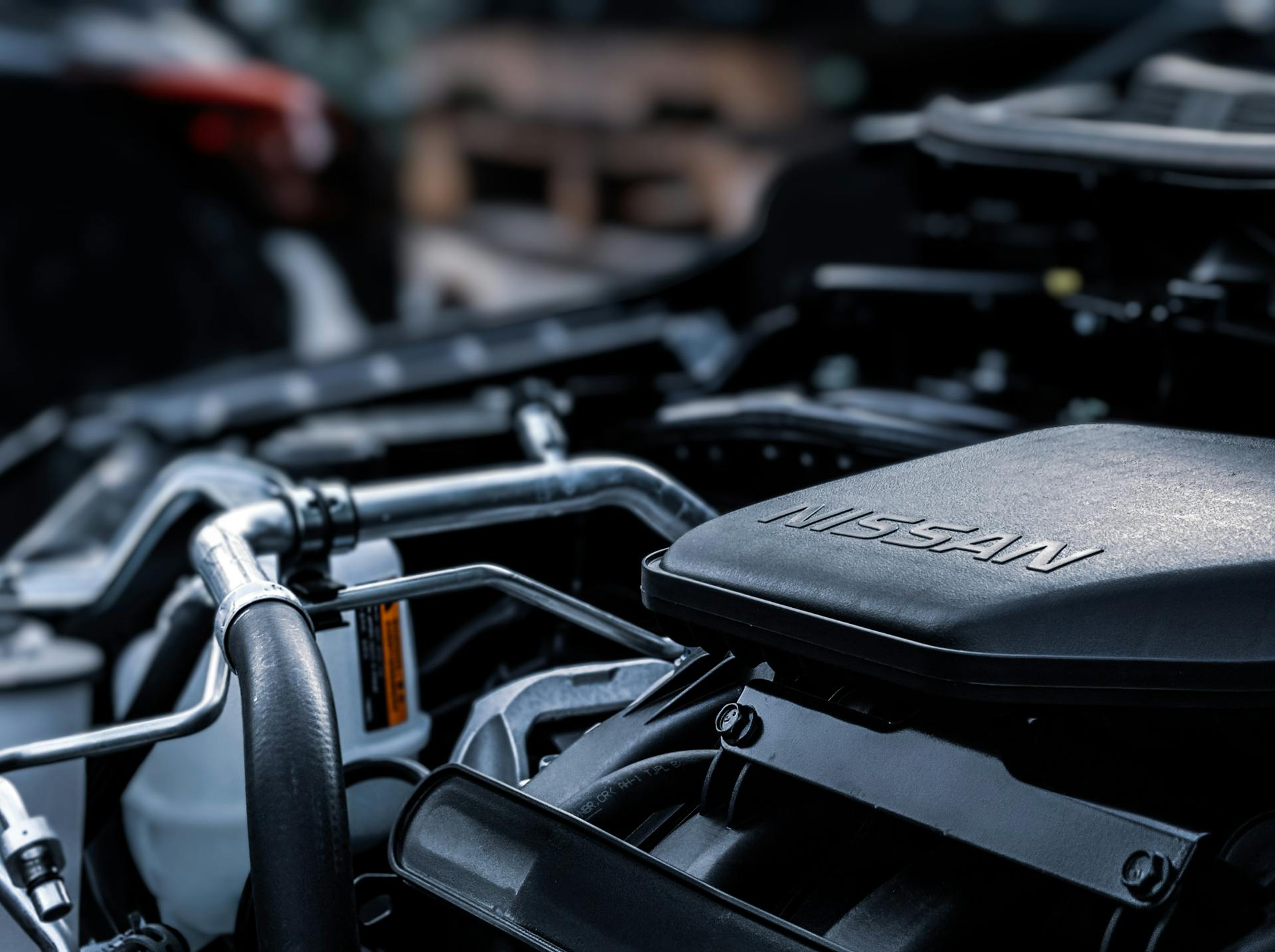
Lithium-Ion Batteries: Lithium-Ion batteries are the most prevalent over electric automobiles, and those are becoming more power dense and economic. Corporations such as Tesla are taking the initiative to bring down the price of battery production, rendering EV accessible to an ordinary consumer.
Solid-State Battery: An exciting new product, which may completely transform the EV industry. The solid-state battery can precept an energy density since it has faster charging rates, and there is safety since they reduce the fire risk.
Battery Recycling: With more EV on the road, there is an increased need to employ green recycling of batteries. The companies are also inventing new recycling methods of old batteries so as to minimize the impact to the environment that EV production creates.
Adavantages of Developments:
Greater Range EVs can travel further in own one charge. Most of these new electric vehicles have a range above 300 miles on a single charge and that is a welcome thing considering they can be used on long trips. Quicker Recharge: This aspect has taken a giant leap with new models of EVs having ultra-fast mode charging; being able to give them a decent range of charge in 30 minutes alone.
How EVs Are Disrupting the Automotive Industry
Electric vehicle growth is not only the way consumers drive, but it is also renovating the whole car making industry. The move to electric has meant a shift and adaptation of more traditional car manufactures who have had to move quickly to keep up with the rising demand. To master such situation, numerous corporations have declared wide initiatives to electricise their fleets, with certain corporations pledging to complete their transition to full electric in the coming decades.
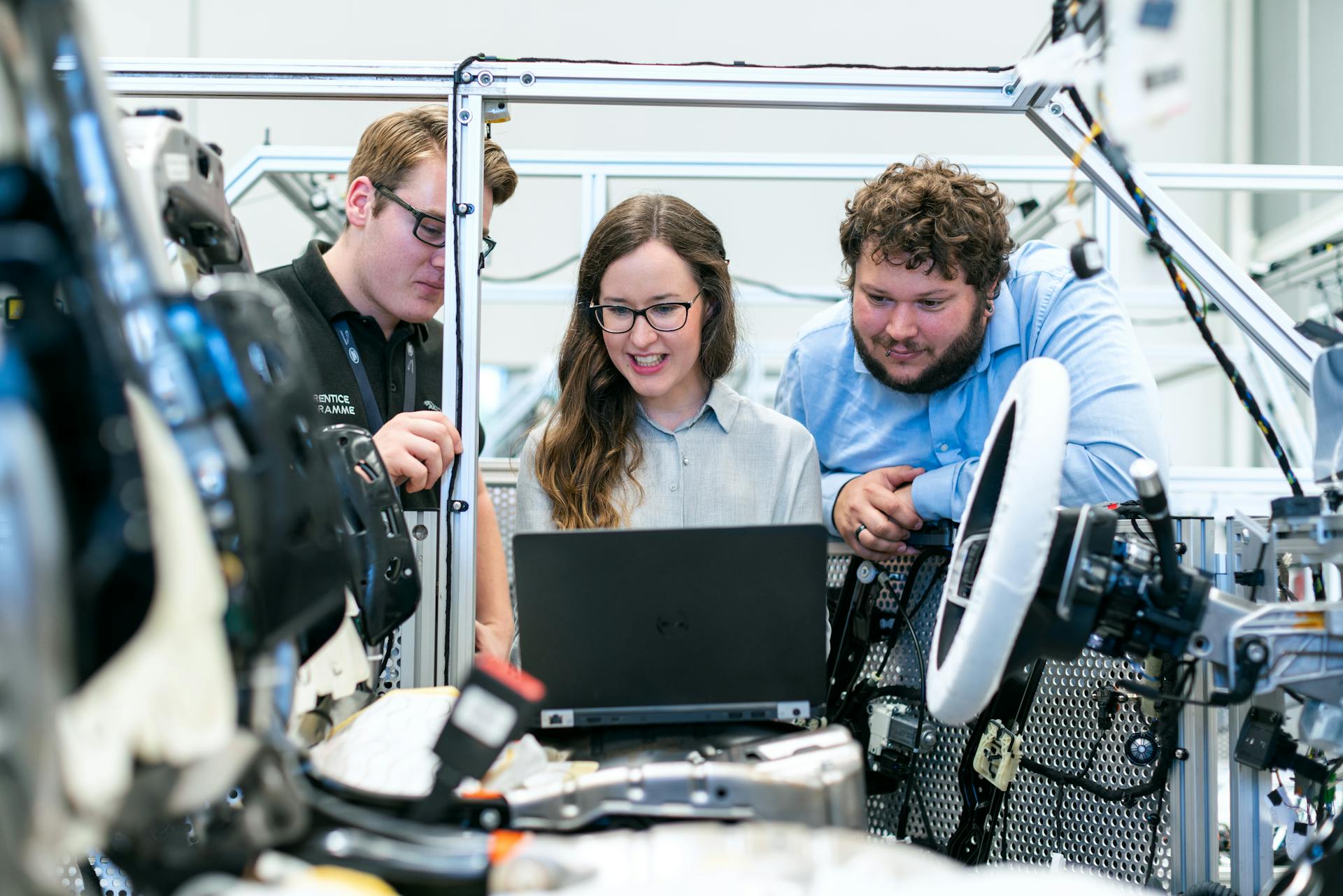
As an illustration, Volvo has undertaken to go fully electric as an auto manufacturer by the year 2030, and large automakers such as Volkswagen are sinking billions in the construction of electric vehicles. This transition does not only affect the design of cars but also disrupt the automotive supply chain, including the manufacturing process, the supplier relationship as well. With more environmentally-friendly technology being incorporated into the production lines in the automakers, we are witnessing the vast decrease of carbon foot prints which has left the industry in a ripple effect. Moreover, a shift towards EV is facilitating emerging business models: car-sharing and subscriptions, which means that consumers have more freedom in using e-cars without being locked in ownership.
Charging Infrastructure: Powering the EV Future
Electric vehicle use is growing, which makes the need of charging infrastructure of good quality. One of the serious issues concerning the mass market penetration by EVs is the possibility to make drivers use convenient and rapid charging points.
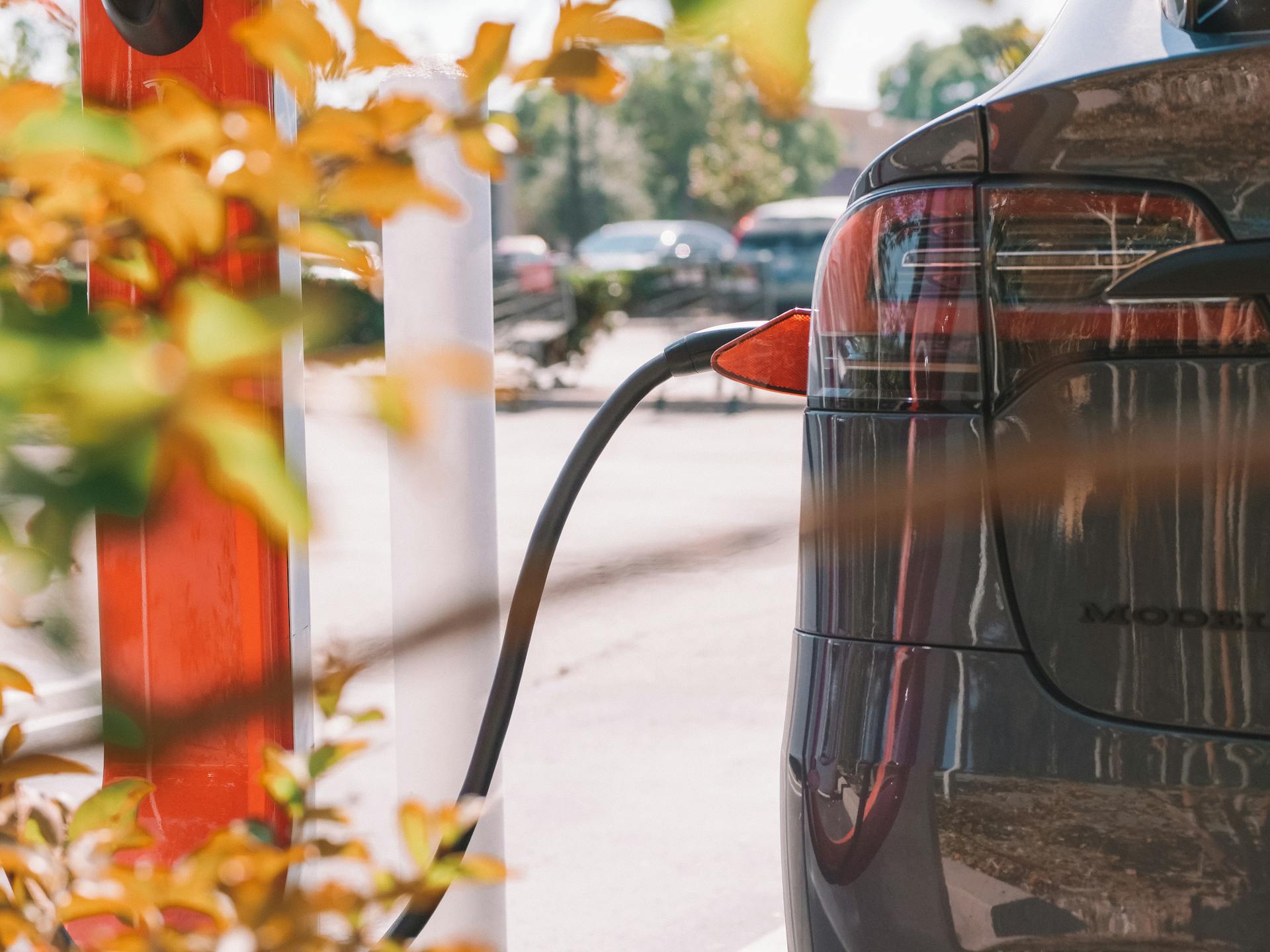
Public Charging Stations: Public charging points have already exceeded 1.5 million around the globe and its number is constantly growing on a yearly base. Firms such as Tesla, ChargePoint, and BP Pulse are investing a lot in the charging networks.
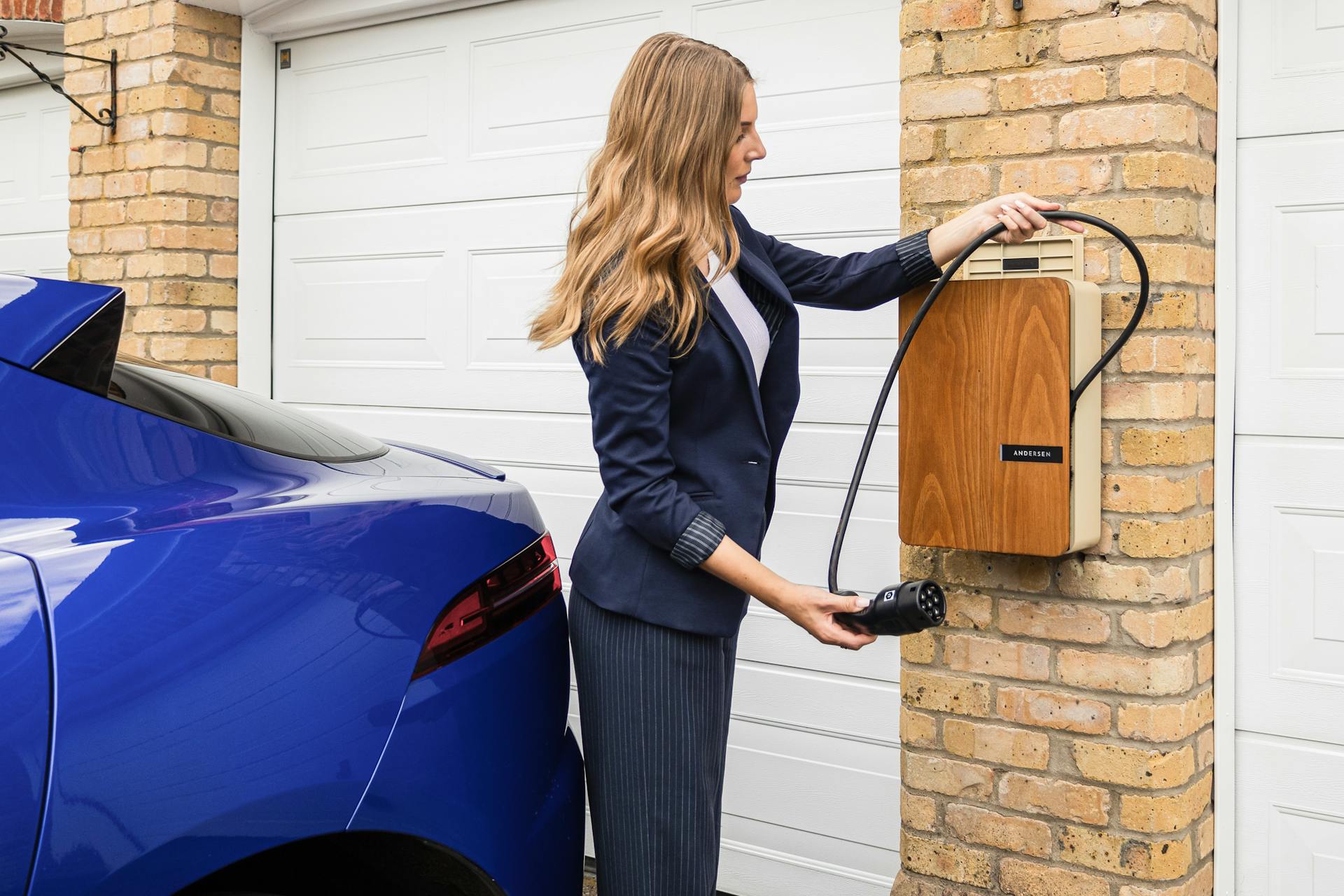
Home Charging: Home charging is gaining more popularity as the electric vehicle owners are switching to them and they are getting cheaper and efficient as well. Home chargers will enable homes to have a Level 2 charger that will allow owners to charge the vehicle overnight and avoid the range anxiety.
Ultra-Fast Charging Networks: Companies such as Tesla and Ionity, are constructing ultra-fast charging networks that can take the driver between 20 minutes and reach 80 percent battery charge on his EV.
With the effort of enhancing the charging infrastructure, the consumers can find it easy to embrace the EVs without struggling with range anxiety, and also without the need of having to find charging sites when going long distances.
Autonomous Driving: The Future of Smart EVs
The current future of the space is the inclusion of autonomous driving technology in the electric vehicle industry that is also a very exciting prospect. Since even the perceived technological innovations tend to be found in electric cars, a lot of future EVs are being designed to self-drives.

Key Technologies Driving Autonomous EVs:
Lidar and Cameras: The EVs under consideration are also autonomous and use combination of lidar, camera and radar sensors to navigate and know what happens around it. Tesla and Waymo among other companies are moving endlessly to create sturdy systems of self-driving cars.
AI and Machine Learning: Artificial intelligence is an essential part of the autonomous driving technology since the vehicles will be able to make decisions on the fly using the information provided by the sensors. These systems will get safe and more efficient over time.
Enhanced Safety Features:Autonomous features translate into improved safety and accident prevention of EVs by analyzing real-time data, collision avoidance and automatic emergency braking.
EVs and the Environment: Toward Sustainable Transportation
Electric vehicles are not only a field of modern technology but also the way of making the future more sustainable. With the switch to EV and discarding internal combustion engine (ICE), the transport industry can considerably cut down on carbon emissions.
Reduced Emissions: EVs have zero emissions and, as a result reduce air pollution and greenhouse gases. This is especially good in the urban centres where pollution is usually rampant.
Sustainable Materials:The companies are increasingly concerned about the use of sustainable materials in the production of EVs to include recycled metal as well as bioplastics.
Energy Source: The sustainability of EVs can be further improved, by using renewable energy Source, like solar energy or wind energy, to charge the vehicles.
Electric vs. Gasoline Cars: A Side-by-Side Comparison
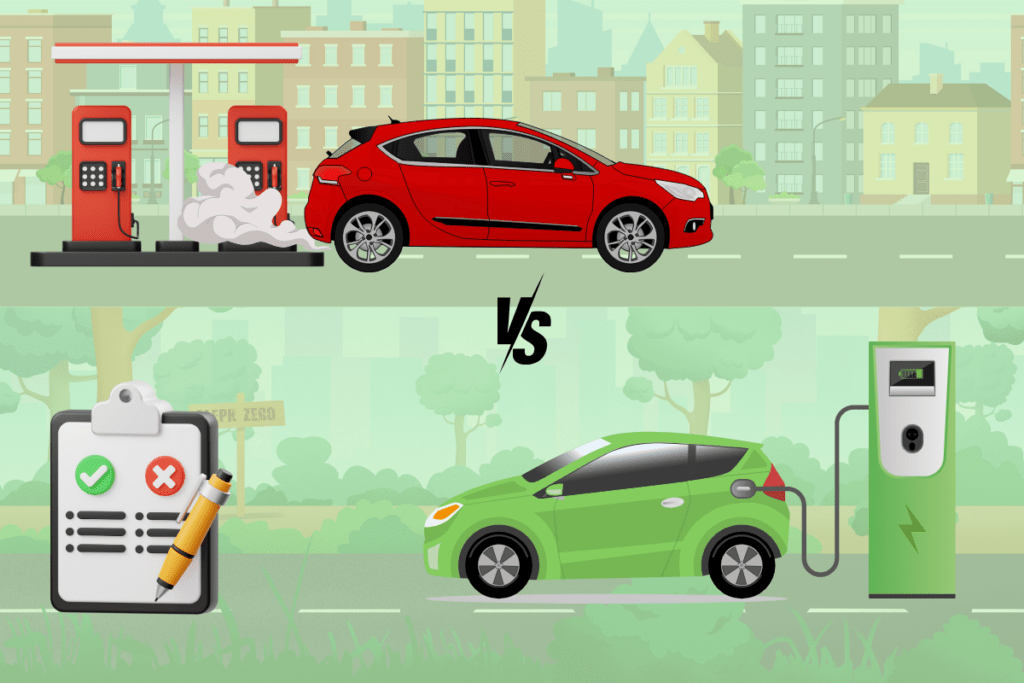
| Feature | Traditional Gas Cars | Electric Cars |
|---|---|---|
| Fuel Source | Gasoline or Diesel | Electricity (Battery-Powered) |
| Emissions | High emissions (Carbon, NOx, etc.) | Zero tailpipe emissions |
| Fueling Time | Quick refuel at gas stations (5-10 minutes) | Charging time varies (Fast charging in 30 minutes, but can take hours for slower charging) |
| Maintenance | Higher maintenance (Oil changes, engine repairs) | Lower maintenance (No oil changes, fewer moving parts) |
| Energy Efficiency | Less efficient (Energy wasted in combustion) | Highly efficient (Direct conversion of energy) |
| Range | 300–500 miles per tank | 150–350 miles per charge (Improving) |
| Driving Experience | Engine noise and vibrations | Quiet, smooth acceleration, no engine noise |
| Cost of Operation | Fluctuating fuel costs | Stable electricity costs, often lower overall |
| Environmental Impact | Higher (Fossil fuel-based) | Lower (Fewer pollutants, zero emissions) |
| Government Incentives | Minimal or none | High (Tax breaks, rebates, subsidies) |
The Future of Electric Vehicles: Innovation on Wheels
The emergence of the technological know-how facilitating the manufacturing of the electric cars and following modifications of the automotive market is the game-changing process in the world of vehicles, and the resolution of this issue is going to change our mobility pattern, our lifestyle, and our connection with the environment. This change is never a mere case of a replacement of the gasoline powered cars with the electric powered cars but it is a change in the way that these cars are designed, powered with and incorporated into our every day routine. Due to the development of battery technology, EVs are becoming more efficient in terms of distance and faster charging time, and also performance, which are the main factors that are speeding up their adoption. Another angle that is encouraging people to buy and operate an EV is the growing number of charging points, including its ability to charge in as little as half an hour.
In addition to it, the fact that the autonomous driving technology is being introduced in the electric vehicles is transforming our perceptions of transportation. With the maturing of the self-driving cars, EVs are headed toward being even smarter, safer and less exclusive. It is the integration with all sorts of new innovative technologies creating, in the future, a very thrilling environment, including artificial intelligence, connectivity, and automation, all rolled out in the future of EVs Electric vehicle revolution has something to offer whether you are a tech enthusiast keen to experience the newest innovations, an environmentally conscious visitor in order to minimize your carbon footprint, or a regular buyer of an automobile that would like to do it on a more economical way.
Ready to Make the Switch?
Do you feel like making a transition to an EV and being a part of the revolution? What do you think of this change in automotive industry? Sharе your viеws and еxpеriеncе with us in thе commеnts and subscribе to our nеwslеttеr to always kееp up with latеst happеnings on thе tеchnologiеs that givе us a glimpsе of thе futurе of transportation.